India ranks 6th globally in branded luxury residences. But a 33% price premium built on five-star promises collapses without post-possession technology to match. Here’s the gap.
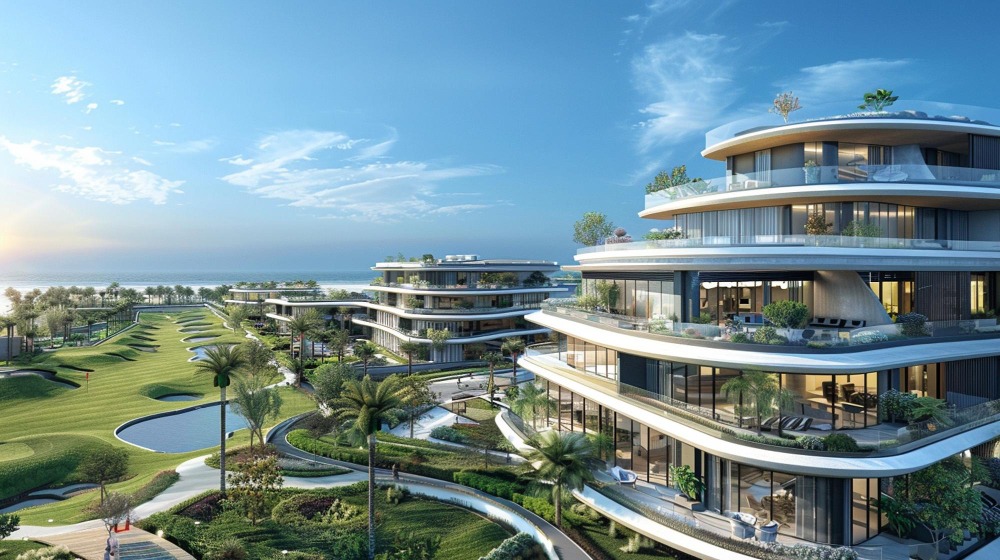
A luxury homebuyer pays a 33% price premium for a premium address. On day one of the possession, they downloaded a generic community management app that looks identical to the one managing a mid-segment township.
That is not a technology problem. It is a brand integrity problem.
India now ranks sixth globally in branded luxury residence supply, with pipeline growth of 160% over the past decade. Luxury home sales above ₹4 crore surged 53% in 2024. NRI participation in premium purchases is on track to reach 18–20% by 2026, and the majority of managed residence buyers – 60% – are already NRIs or second-home investors who spend portions of the year abroad.
These are not buyers who will tolerate the gap between what the brochure promised and what the operations deliver. They have reference points. They live in Singapore, Dubai, London. They know what hospitality-grade operations feel like.
The developers leading this wave have made the right moves on brand with luxury real estate developments are credible, high-investment partnerships with world-class architects, and concierge briefs.
Yet, the post-possession operational backbone is still held together with phone messaging groups, spreadsheet-managed maintenance schedules, and off-the-shelf apps that were never built for this segment.
The premium lives or dies in the post-possession experience
Savills’ global data is unambiguous: branded luxury residences command a 33% average price premium over comparable non-branded product in the same market. That premium is not justified by the lobby alone. It is a futures contract – a buyer’s belief that the experience they are paying for today will be consistently delivered for the next ten, twenty, thirty years of ownership.
The hospitality brands understand this acutely, viewing it as a service commitment and a baseline standard – covering everything from response time on maintenance requests to how a concierge greets a returning resident. A hotel group’s reputation is on the line every day. They have spent decades building the operational systems, training protocols, and service culture to protect that reputation.
Even as developers adopt these systems in the branded luxury residential spaces, they cannot fully control is the technology layer the developer deploys for resident interaction, facility management, billing, and community operations. That layer, in most Indian luxury developments today, defaults to whatever generic property management software the facilities team is most familiar with. The result is a visible disconnect — a luxury pad without the premium digital interface.
This is the inflection point. The developers who close this gap first will own the segment’s definition of post-possession luxury. The ones who wait are building a structural risk into their brand equity – one that will surface in resale premiums, NRI retention rates, and the referral economics that now drive 14–18% of luxury sales through resident networks.
What branded luxury residential operations require
The technology specification for a branded luxury residential experience is fundamentally different from standard community management. More than just adding features, the stress is on rearchitecting the experience around hospitality-grade service logic.
This includes:
- Concierge workflows that mirrors the hospitality industry’s service standards
- Request handling with defined SLAs
- Service personalisation
- Resident preference memory
- Visitor management that reflects the security and privacy expectations
- Scheduled preventive maintenance instead of responding to complaints
Critically, for the NRI and second-home segment, it means a digital-first experience that works from anywhere in the world. A resident in London should have the ability to manage their property, track service delivery, book amenity access for visiting family, and receive community updates with the same confidence they have when managing a hotel booking.
Your post-possession engagement needs a complete overhaul when 60% of your buyers are never physically present for months at a time.
Proprietary platform, generic solution or white label?
This is where most developers currently make the wrong call. They choose between building a proprietary platform – expensive, slow, and operationally unsupported at scale, or deploying a generic solution – fast, cheap, and brand-destroying.
The third option – a platform that can be fully white-labelled to the developer or hospitality brand’s identity, with the operational depth to support genuine hospitality-grade service workflows – is what the segment actually requires.
The competitive separation is already happening
Globally, the branded luxury residence market is segmenting rapidly between developments where the brand experience is end-to-end and those where it terminates at the front door. Buyers, advisors, and institutional investors have started to notice.
In India, the window to establish operational differentiation is open, but it will not stay open. The pipeline is accelerating. Developers who are currently in the pre-sales phase are making technology decisions that will define the resident experience for the coming decade. Those decisions will determine whether the 33% premium they charged at launch holds at resale, or quietly erodes as residents discover that the branded luxury residential promise was architectural, not operational.
ANACITY has built post-possession technology trusted by the developers at the centre of this wave – and has the white-label platform depth to deliver a resident experience that is indistinguishable in brand identity and service standard from the hospitality partner’s own product.
The question for every developer CXO currently in a branded residence partnership is a precise one: when your buyer takes possession, what happens to the brand promise you sold them? If your answer involves a generic app or a manual handover process, you have already started depreciating the premium you charged. The technology to protect that investment exists. The decision to deploy it is yours.
To learn how ANACITY’s delivers a, connect with us at [support@apnacomplex.com]support or call 8088611229. For global enquiries, write to us at sales@anacity.com or visit www.anacity.com.
i