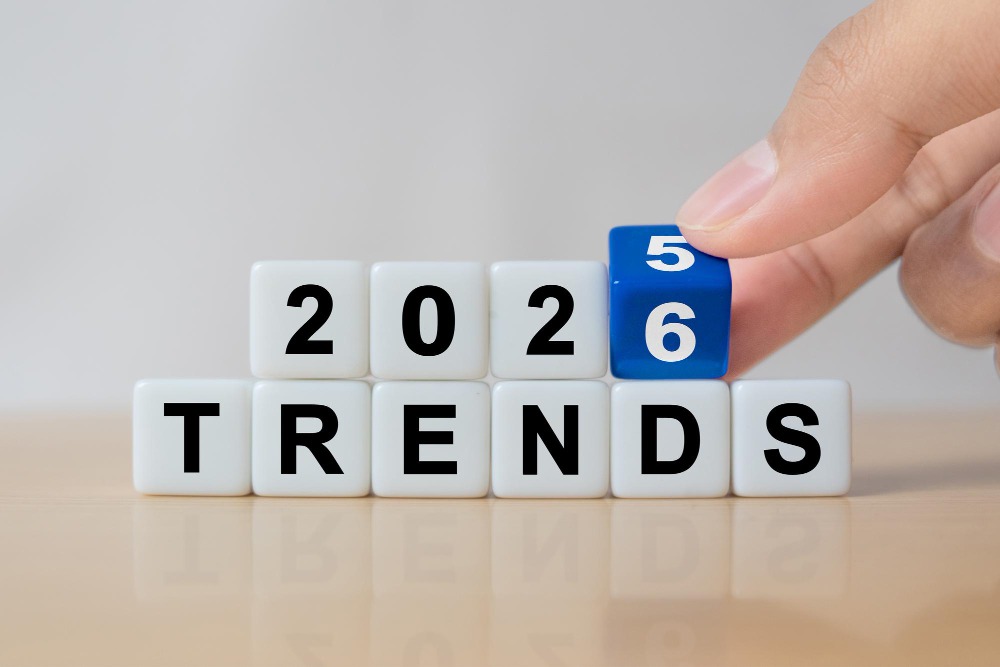
Commercial real estate has seen seismic shifts in the last few years – from hybrid work to the COVID-driven remote workforce, and the emergence of office parks with amenities. Leaders who stayed on the top of these workplace transformation trends were able to pivot quickly, successfully retaining their tenants and setting industry benchmarks.
As employee well-being takes centre stage, organisations are reimagining what it means to work and thrive in 2026. Rather than short-term shifts, today’s trends reflect deep structural changes in culture, technology, talent expectations, and workplace transformation strategies. Let’s explore the major currents shaping modern workplaces and what they mean for leaders and teams.
A people-first approach to tech integration
Technology is non-negotiable for the workplace experience today. A people-first approach recognises that tech that ignores the vital human element is bound to fail. Human needs must be prioritised when aligning processes and implementing systems. Tech must serve people, not the other way around. Technology that serves people is more likely to be adopted, enhancing the employee experience, it is also more
Flexibility as a strategy
The traditional 9–5 office model has been steadily giving way to flexible arrangements that meet employee needs while supporting organisational goals. Workplace transformations with hybrid and flexible structures are no longer a temporary experiment. They are becoming central to workforce strategy.
According to analysts, large enterprises now operate flexible or hybrid models, viewing them as a strategic advantage rather than a short-term fix. These models help reduce overhead, increase retention, and give employees autonomy over how, when, and where they work.
Automation with tech innovation
Technology will continue to redefine the workplace transformation – driving efficiency in administration, customer experience, and security operations. Mobile-first tech will gain further traction as Gen Z comes of age. Known as digital natives, they show a stark preference for digital-first approach in every aspect of their life, from managing relationships to ordering groceries.
Commercial real estate leaders cannot ignore the sweeping digitalisation, sticking to register and manual processes. Not only is it inefficient, expensive and wasteful, it can also impact retention.
Sustainability & ESG at work
Environmental, social, and governance (ESG) priorities are now shaping workplace transformation, from office design to commuting policies. Organisations are investing in energy-efficient buildings, flexible work hubs, and technology that reduces their carbon footprint.
Employees increasingly prefer companies whose values align with their own, and sustainability is a major factor in employer branding, talent attraction, and retention.
Reimagined physical spaces
Even as remote work stays strong, physical workplaces are evolving into purposeful hubs – spaces designed for collaboration, mentorship, innovation, and culture building. Rather than enforcing routine presence, companies are creating environments that encourage meaningful in-person interactions while respecting flexibility.
How ANACITY gets you ready for 2026
As a SaaS-based platform, ANACITY is redefining the workplace transformation. It facilitates a people-first approach by keeping the occupying tenants at the centre of the workplace experience. The mobile-first platform includes features that empower employees to:
- Book amenities, from meeting rooms to recreational facilities like gyms.
- Gain easy access to cafeterias through food ordering.
- Get a real-time view of in-campus creche.
- Gain access to emergency services.
- Be notified of upcoming events. Employees can book and pay for tickets when required.
- Get quick redressal of grievances through a digital Helpdesk
- Register feedback through multiple channels.
If you want to learn more about ANACITY Business, contact us at support@apnacomplex or call 80886 11229.
i