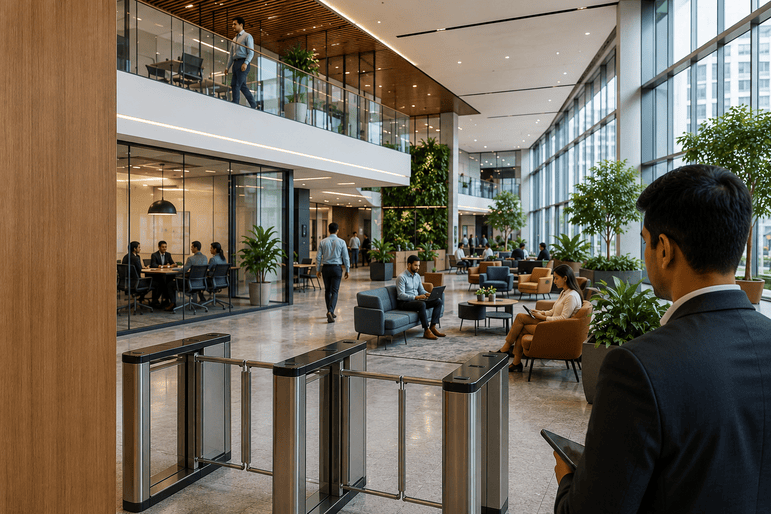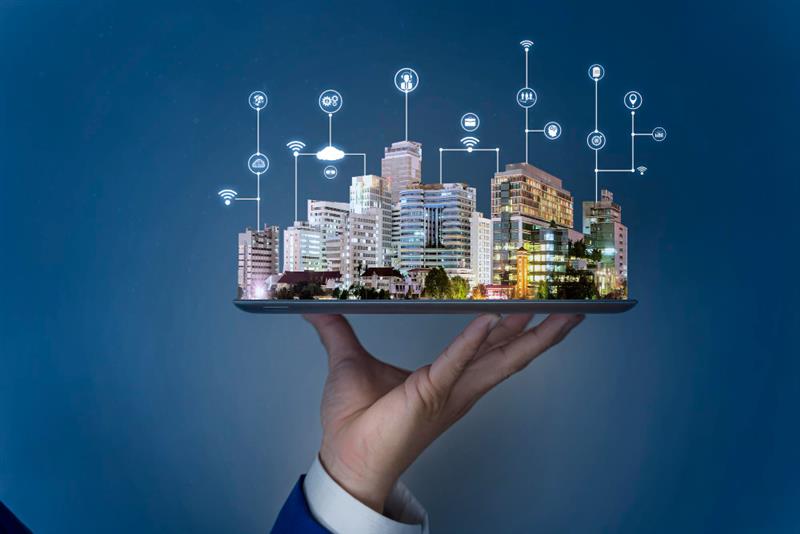
For decades, real estate was defined by physical assets, including location, design, and construction quality. But for customers, the journey has rarely been seamless. From pre-sale inquiries and site visits to post-sale documentation, and eventually post-possession living or working experiences – the real estate lifecycle has traditionally been fragmented. Different teams, disconnected systems, and limited visibility often lead to inconsistent experiences.
The current digital transformation in real estate is redefining these expectations. Forward-looking developers and operators are moving toward a unified real estate digital ecosystem – that connect platforms and unify the entire customer journey. From the first interaction to everyday living, technology is bridging gaps and creating continuity.
A fragmented customer journey
The real estate customers journey is fragmented, creating friction at every stage of the lifecycle:
- Pre-sale: Limited visibility into projects, delayed responses, and offline coordination
- Post-sale: Disjointed communication around documentation, payments, and updates
- Post-possession: Manual processes for services, amenities, and community engagement
Each phase often operates in isolation, handled by different stakeholders using different tools. This results in a lack of continuity, reduced trust, and operational inefficiencies.
From silos to unified real estate digital ecosystem
Real estate digital ecosystems are addressing this fragmentation by bringing all stakeholders and processes onto a unified platform. Instead of multiple touchpoints and systems, customers interact through a single, integrated experience, one that evolves with them across the lifecycle.
This is the foundation of a modern real estate ecosystem:
- A continuous journey, not disconnected phases
- A single source of truth for all stakeholders
- A consistent experience across interactions
ANACITY: Unifying the real estate lifecycle
ANACITY is transforming the customer experience by creating and nurturing a real estate digital ecosystem – one that starts from pre-sale engagement. Developers can offer structured, transparent engagement – from project discovery to inquiry management, creating a strong first impression.
Post-sale, buyers gain better visibility into documentation, payment schedules, and updates, reducing uncertainty and improving communication. Once they have the possession of their home (post-possession phase), the ecosystem extends into everyday life – covering amenities, visitor management, community engagement, and service requests.
ANACITY plays a key role in building this connected layer across the real estate lifecycle.
- Structured communication channels that reduce dependency on manual coordination
- Integrated service and amenity management for seamless everyday interactions
- Community engagement tools that strengthen connections within developments
- Data-driven insights that help operators improve service delivery over time
This continuity transforms the customer experience from fragmented to fluid. In doing so, ANACITY becomes a critical part of the broader digital ecosystem – ensuring that the post-possession experience is as seamless and well-managed as earlier stages.
Why this shift matters now?
The move toward digital ecosystems is not optional—it’s driven by clear market forces.
Rising customer expectations: Today’s customers expect the same level of digital convenience in real estate as they experience in other industries.
Operational complexity: Managing large communities and commercial spaces requires systems that reduce manual effort and improve coordination.
Trust and transparency: A connected ecosystem ensures consistent communication and visibility—key to building long-term trust.
Scalability for developers: Digital platforms enable standardization across projects, helping developers scale efficiently.
Beyond technology: a strategic shift
More than deploying tools, adopting a digital ecosystem is about rethinking the real estate model from transactional to building long-term relationships that last from handover to lifecycle engagement and turns isolated functions to integrated systems.
ANACITY’s real estate digital ecosystems are closing the gaps, connecting every stage of the journey, and redefining how people interact with spaces. To know more, contact us at support or call 8088611229.
i